

0%
Loading ...
Categories
Custom web design services Uncategorized

Designing for Speed: Optimizing Web Design for Fast Load Times and Performance

With the rapid evolution of online businesses, consumer expectations are higher than ever. Attention is digital currency, where even a single second’s delay can cause a drop in conversions, reduce engagement, and hamper search visibility. When it comes to website performance, users demand fast, seamless experiences.In 2026, with website speed having a direct impact on user experience and search rankings, ecommerce brands need to focus on delivering fast-loading web designs. Let’s explore how website design choices influence performance, and check out some practical tips to enhance speed and provide an improved user experience.

Why Website Speed Matters in 2026

Before we delve into technique, let’s first understand why performance-driven web design is such a significant factor in terms of user behavior and search engine rankings. 

  • First impressions are formed within milliseconds: According to a study by Google, 53% of mobile users abandon sites taking more than three seconds to load.
  • Speed affects SEO performance: Google’s Core Web Vitals, including metrics like Largest Contentful Paint (LCP), Cumulative Layout Shift (CLS), and First Input Delay (FID), are now integral to ranking.
  • Speed enhances engagement and conversions: According to a Walmart report, conversions were boosted by 2% for every 100ms of performance improvement. Slower websites lead to higher bounce rates and reduced engagement.

These statistics prove that speed isn’t just a backend concern— it’s a design priority.Now, let’s take a look at five main factors affecting website speed, together with our top website speed optimization techniques.

1. Optimize Image Load Times: Less is More

Images typically account for the maximum percentage of a webpage’s total weight, and as such, they are often the leading cause behind sluggish loading times. Optimizing images without sacrificing quality is one of the most effective ways of improving site speed.

Top Tips to Optimize Images:

  • Select the right format: Opt for WebP and AVIF for superior compression without sacrificing quality. SVG is suitable for simple images due to its scalability without affecting performance.
  • Compress images: Online tools like TinyPNG or plugins like Smush help to decrease image file sizes without noticeably affecting quality.
  • Enable responsive images: Employ srcset and sizes attributes so that browsers can request optimal images according to device screens.
  • Lazy-load offscreen images: Implementing lazy loading for offscreen images ensures that they load only when they come into the viewport.

2. Streamline Animations and Interaction Effects

Animations undoubtedly add to the user experience, but they can also be a burden on website performance. Excessively complex animations or heavy JavaScript can affect load times, while poorly implemented effects delay initial rendering and trigger layout thrashing.

Best Animation Practices:

  • Use simple animations: Utilizing CSS animations and transitions instead of JavaScript can help minimize CPU usage, as they are smoother and less resource-intensive.
  • Opt for transform and opacity for animations: These properties are optimized by browsers and don’t lead to reflows or repaints, which can affect performance.
  • Utilize autoplay videos sparingly: Auto-playing background videos can be replaced with good-quality images or CSS animations to engage users without increasing load times.

 3. Code Efficiency: Keep it Lean and Clean

Your website code is as important as its design. No matter how optimized your visuals and media are, heavy, bloated code can drag down performance and affect SEO. When taking design decisions, make sure your codebase is lean and well-structured so it can enhance website speed.

How To Optimize Code:

  • Minify HTML, CSS, and JavaScript: Leverage tools like CSSNano or UglifyJS to remove unnecessary characters like comments and whitespace in your files.
  • Defer non-critical scripts: Essential scripts need to be loaded first; scripts that are not essential for immediate page rendering can be loaded after the content loads. Use tools like async and defer to prioritize essential scripts.
  • Employ modular CSS frameworks: Rather than loading a large framework like Bootstrap, use only the necessary CSS classes to decrease the amount of unused code loaded.

4. Leverage Effective Hosting and CDN Usage

Hosting has a significant role to play when it comes to website speed. Poor server performance or slow delivery to global audiences can negatively impact even the most well-optimized websites. Consider integrating a Content Delivery Network (CDN) like Cloudflare or Amazon CloudFront to decrease load times, especially for international users.

Advantages of Using a CDN:

  • Speedier Content Delivery: CDNs store copies of content across servers located globally, delivering faster content and reducing latency.
  • Faster Load Times: CDNs are able to reduce the time taken for data to travel by delivering content from the closest server to the user.
  • Enhanced Uptime: Through automatic failover and load balancing, CDNs ensure high reliability and availability.

5. Use Web Performance Tools to Track and Adjust

Web optimization is an ongoing process – make regular performance audits part of your design workflow. Using the correct performance tools can help pinpoint bottlenecks on your site, iterate on improvements, and identify areas suitable for further optimization.

Top Tools to Monitor Website Performance:

  • Google Lighthouse: This is a free, open-source tool that provides insights on page performance, SEO, accessibility, and best practices.
  • WebPageTest: This tool delivers deep analysis on load times, including visual waterfall charts and resource insights, enabling designers to isolate slow-loading resources.
  • GTmetrix: This tool helps to break down your website performance and offers actionable recommendations for improvement.

Conclusion

The writing is on the wall, and it’s loud and clear: the key to online success in 2026 is performance-driven web design. Whether you’re a small digital venture or a large established online enterprise, a speedy website translates directly into better customer experience, higher conversions, and improved search rankings.At DigiDrub, we provide custom web design services to optimize your website’s speed and performance. Contact us for a consultation today.

Categories
Uncategorized Web, Mobile & E-Commerce Development

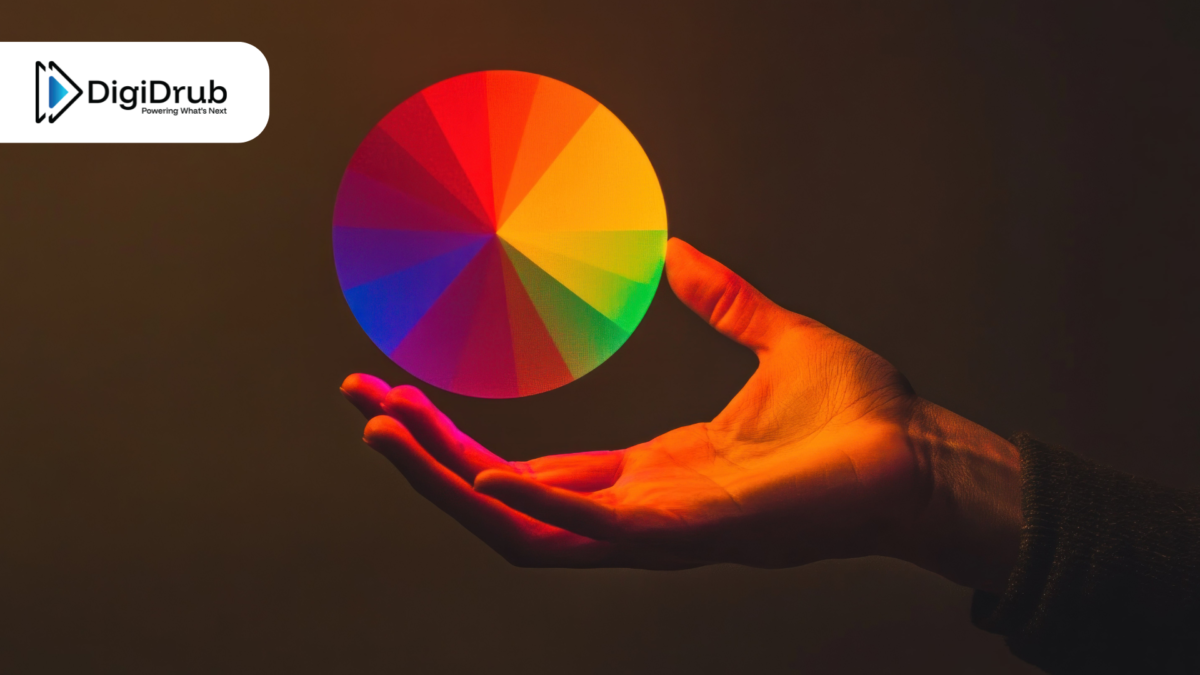
The Power of Color: How Color Theory Shapes Your Brand Identity

As consumers immerse themselves further and further in today’s hyper-competitive digital landscape, they are overwhelmed by a plethora of choices when it comes to products, brands, and information. So how do you, as one of these several brands, make your mark on the customer’s consciousness before all your competitors? One of the most effective ways is – color.

The Power of Color

Color is one of the simplest and swiftest ways to communicate a brand’s unique identity, even before a single word is read. This is even more pertinent in the modern digital scenario, where brands have a scant few seconds to grab the audience’s attention.

Research shows that first impressions are formed in as little as 90 seconds, and 62% to 90% of those first impressions are based on color alone. Be it logos, icons, ads, websites, or social media, color is fundamental in shaping the consumer’s opinions, emotions, and perceptions.

Color Psychology in Branding

It’s evident that color isn’t a mere decoration or design choice – used advantageously, it is a powerful branding mechanism. As a psychological signal, color influences the subconscious views and behavior of the consumer.

Brands that consistently use distinctive signature color palettes have significantly higher consumer recall, and can increase their brand recognition by nearly 80%, a considerable advantage in competitive digital marketplaces. In this era of short attention spans and rapid scrolling, using color in a smart way, such as a website header, CTA button, or a social post, can directly impact brand preference, reinforce credibility, and influence purchasing behavior.

The Intrinsic Language of Colors

To align brand value with apt visuals, it’s important to understand the varied emotional associations that are linked to each individual color. Let’s take a look at the language of each hue.

Blue:

  • Conveys calm, trust, and reliability
  • One of the most preferred colors in the U.S.
  • Chosen by brands aiming to impart security and stability
  • Popular uses: healthcare, finance, technology, SaaS
  • Examples: Facebook, IBM, PayPal

Green:

  • Communicates growth, renewal, and wellbeing
  • Used by brands to evoke good health, eco-consciousness and sustainability
  • Popular uses: nature/environment-based platforms, finance, wellness-related brands
  • Examples: Subway, Patagonia, The Body Shop

Red:

  • Sparks excitement, energy, urgency, and passion
  • Utilized to grab attention and drive a desired action
  • Popular uses: calls to actions, sales promotions or clearances, food brands, sports brands, entertainment platforms
  • Examples: Coca-Cola, YouTube, KFC, Ferrari

Yellow:

  • Evokes warmth, optimism, and creativity
  • Can be overwhelming or dominating due to its intensity
  • Works best in small doses or as accents
  • Popular uses: industries needing high visibility, speed, happiness/appetite stimulation
  • Examples: McDonald’s, Post-It, Ikea

Black:

  • Represents authority, power, sophistication
  • Can be utilized as a neutral background, enabling other colors to pop
  • Popular uses: Premium and luxury industries
  • Examples: Apple, Chanel, BMW

Choosing Brand Colors: Our Expert Tips for the Perfect Palette

  • Focus on Brand Personality
    Start off by defining the personality of the brand, along with the core emotional values to be communicated to the target audience. Is the vibe bold, unconventional, and innovative, or calm and reliable? A startup targeted towards Gen Z could opt for unconventional, vibrant colors, while a B2B enterprise might benefit from more muted, professional hues. The choice of selected color palette needs to visually reinforce the brand voice and mission.
  • Prioritize Consistency
    It is vital to maintain a unified visual identity across the marketing palette. Be it the logo, website, social media, ads, packaging, or advertising materials, maintaining color consistency is essential. This helps in creating a strong brand presence, enhancing brand recognition, cultivating stronger customer loyalty, and establishing a clearer identity in competitive markets.
  • Create a Flexible, Scalable Palette
    Modern brands don’t rely on a single color alone. Typically a strong brand identity includes a primary color, complementary secondary colors, and accent shades that work harmoniously together across platforms. In the modern world of digital-first branding, this flexibility is essential so that designs can adapt seamlessly and maintain brand recognition across social media, websites, mobile apps, and ads.
  • Test for Accessibility and Usability
    While selecting colors, it’s important to make sure they are inclusive. Text and interface elements should meet accessibility standards, like WCAG contrast guidelines, ensuring that all users can engage effortlessly with the brand. It is advisable to utilize different tools that simulate color accessibility to assess how a particular palette will perform in real-world conditions. Brands that adhere to accessibility guidelines are known to reach wider audiences while signalling diversity and inclusivity.

Conclusion

Employed strategically, color theory in branding becomes a powerful tool that enables businesses to build trust, stand out, and create lasting emotional connections. At DigiDrub, our digital team is committed to delivering exceptional branding and marketing strategies, custom web design services and best-in-class technologies and resources. Reach out to us for a consultation now.

Categories
Custom web design services

Mobile-first UX: how to design for the new digital era

Shopify has emerged as one of the most popular ecommerce platforms, empowering businesses of all sorts and sizes to create and manage their online stores effortlessly. Shopify offers a cloud-based, user-friendly solution free of the complexities of website development. Catering to a plethora of business needs, Shopify helps entrepreneurs to sell products online as well as in-person and across multiple sales channels.

Let’s take a look at Shopify’s extensive features.

Features Available on Shopify

Multi-Channel Selling: Businesses can diversify their sales by integrating their store with marketplaces like eBay, Amazon, Instagram, and TikTok to reach more customers.

Inventory Management: Shopify’s intuitive dashboard helps to track inventory, manage stock levels, and receive alerts when products are understocked.

App Store and Integrations: Shopify’s extensive app marketplace allows businesses to enhance their store with features like automation, customer support, and advanced analytics.

Built-in Payment Processing: With Shopify Payments, merchants can choose from a range of payment gateways. They can accept credit cards, PayPal, and other payment methods without relying on third-party providers.

Local Language and Currency: Shopify enables businesses to tailor their stores to their audience by offering products in their preferred language and currency, ensuring a seamless and localized shopping experience.

SEO and Marketing Tools: Shopify provides a number of built-in SEO features and email marketing tools to drive traffic to businesses.

Track Performance: Shopify’s analytics helps entrepreneurs monitor their store’s activity in real time, including visitor count, conversions, and drop-offs.

Benefits of Shopify

Ease of Use

One of Shopify’s biggest benefits is its user-friendliness. Thanks to features like pre-designed templates and drag-and-drop functionality, businesses can set up a store within minutes, even without any technical experience.

Mobile Optimization

With most consumers today shopping on their mobiles, Shopify’s mobile-responsive themes are invaluable to provide a seamless shopping experience. These help entrepreneurs set up an online store that is fully optimized for phones, while letting them also test different product elements to see how they appear on mobiles.

Scalability

Shopify is designed to grow with your business, with plans and features to cater to enterprises of all sizes. A start-up can opt for the Basic Shopify plan with only the essential features, and upgrade as the store grows. On the other hand, Shopify Plus is an ideal option for larger enterprises or businesses expanding to global markets.

Strong Security and Reliability

Security is crucial in ecommerce, and Shopify takes this very seriously. The platform is PCI-DSS compliant, ensuring that it meets the highest security standards to protect sensitive data like customer credentials and financial transactions.

Affordable Pricing

Shopify offers a range of pricing plans, making it affordable and easy for enterprises to get started. Additionally, with no hidden fees and transparent pricing, merchants can budget effectively.

It is evident that with its robust features, scalability, and ease of use, Shopify will continue to dominate the ecommerce space. Whether you’re an established brand or launching your first online store, Shopify offers a reliable, flexible, and feature-rich platform to successfully grow your business.