

0%
Loading ...
Categories
Uncategorized Web, Mobile & E-Commerce Development

The Power of Color: How Color Theory Shapes Your Brand Identity

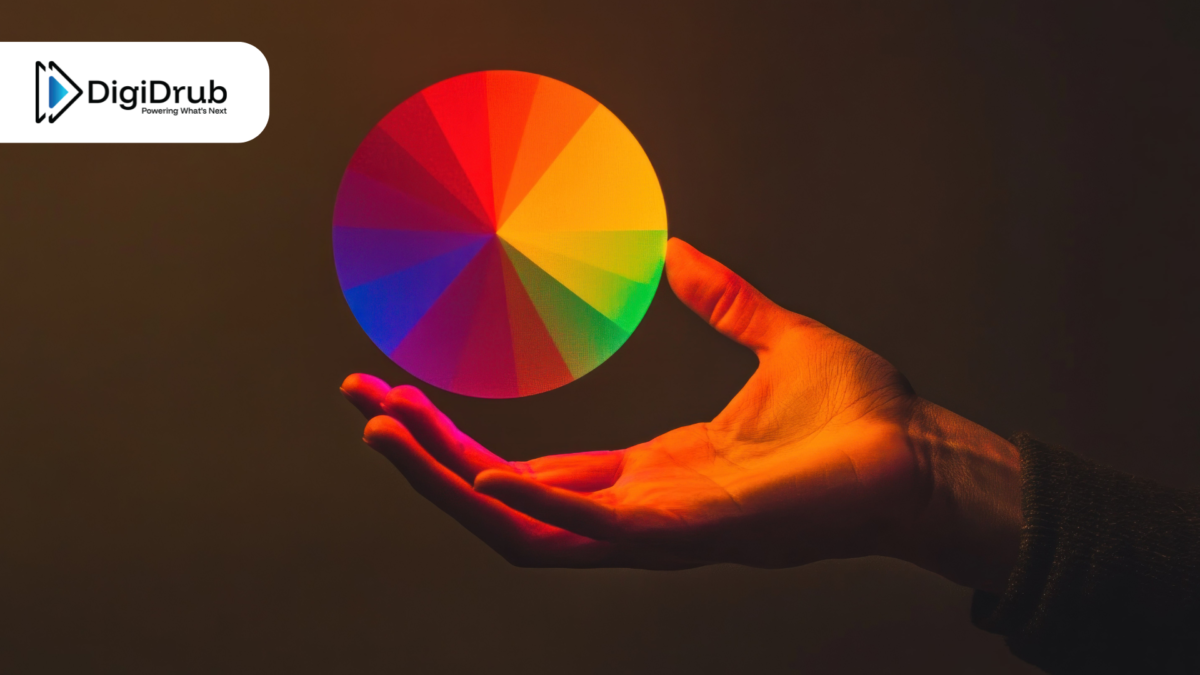
As consumers immerse themselves further and further in today’s hyper-competitive digital landscape, they are overwhelmed by a plethora of choices when it comes to products, brands, and information. So how do you, as one of these several brands, make your mark on the customer’s consciousness before all your competitors? One of the most effective ways is – color.

The Power of Color

Color is one of the simplest and swiftest ways to communicate a brand’s unique identity, even before a single word is read. This is even more pertinent in the modern digital scenario, where brands have a scant few seconds to grab the audience’s attention.

Research shows that first impressions are formed in as little as 90 seconds, and 62% to 90% of those first impressions are based on color alone. Be it logos, icons, ads, websites, or social media, color is fundamental in shaping the consumer’s opinions, emotions, and perceptions.

Color Psychology in Branding

It’s evident that color isn’t a mere decoration or design choice – used advantageously, it is a powerful branding mechanism. As a psychological signal, color influences the subconscious views and behavior of the consumer.

Brands that consistently use distinctive signature color palettes have significantly higher consumer recall, and can increase their brand recognition by nearly 80%, a considerable advantage in competitive digital marketplaces. In this era of short attention spans and rapid scrolling, using color in a smart way, such as a website header, CTA button, or a social post, can directly impact brand preference, reinforce credibility, and influence purchasing behavior.

The Intrinsic Language of Colors

To align brand value with apt visuals, it’s important to understand the varied emotional associations that are linked to each individual color. Let’s take a look at the language of each hue.

Blue:

  • Conveys calm, trust, and reliability
  • One of the most preferred colors in the U.S.
  • Chosen by brands aiming to impart security and stability
  • Popular uses: healthcare, finance, technology, SaaS
  • Examples: Facebook, IBM, PayPal

Green:

  • Communicates growth, renewal, and wellbeing
  • Used by brands to evoke good health, eco-consciousness and sustainability
  • Popular uses: nature/environment-based platforms, finance, wellness-related brands
  • Examples: Subway, Patagonia, The Body Shop

Red:

  • Sparks excitement, energy, urgency, and passion
  • Utilized to grab attention and drive a desired action
  • Popular uses: calls to actions, sales promotions or clearances, food brands, sports brands, entertainment platforms
  • Examples: Coca-Cola, YouTube, KFC, Ferrari

Yellow:

  • Evokes warmth, optimism, and creativity
  • Can be overwhelming or dominating due to its intensity
  • Works best in small doses or as accents
  • Popular uses: industries needing high visibility, speed, happiness/appetite stimulation
  • Examples: McDonald’s, Post-It, Ikea

Black:

  • Represents authority, power, sophistication
  • Can be utilized as a neutral background, enabling other colors to pop
  • Popular uses: Premium and luxury industries
  • Examples: Apple, Chanel, BMW

Choosing Brand Colors: Our Expert Tips for the Perfect Palette

  • Focus on Brand Personality
    Start off by defining the personality of the brand, along with the core emotional values to be communicated to the target audience. Is the vibe bold, unconventional, and innovative, or calm and reliable? A startup targeted towards Gen Z could opt for unconventional, vibrant colors, while a B2B enterprise might benefit from more muted, professional hues. The choice of selected color palette needs to visually reinforce the brand voice and mission.
  • Prioritize Consistency
    It is vital to maintain a unified visual identity across the marketing palette. Be it the logo, website, social media, ads, packaging, or advertising materials, maintaining color consistency is essential. This helps in creating a strong brand presence, enhancing brand recognition, cultivating stronger customer loyalty, and establishing a clearer identity in competitive markets.
  • Create a Flexible, Scalable Palette
    Modern brands don’t rely on a single color alone. Typically a strong brand identity includes a primary color, complementary secondary colors, and accent shades that work harmoniously together across platforms. In the modern world of digital-first branding, this flexibility is essential so that designs can adapt seamlessly and maintain brand recognition across social media, websites, mobile apps, and ads.
  • Test for Accessibility and Usability
    While selecting colors, it’s important to make sure they are inclusive. Text and interface elements should meet accessibility standards, like WCAG contrast guidelines, ensuring that all users can engage effortlessly with the brand. It is advisable to utilize different tools that simulate color accessibility to assess how a particular palette will perform in real-world conditions. Brands that adhere to accessibility guidelines are known to reach wider audiences while signalling diversity and inclusivity.

Conclusion

Employed strategically, color theory in branding becomes a powerful tool that enables businesses to build trust, stand out, and create lasting emotional connections. At DigiDrub, our digital team is committed to delivering exceptional branding and marketing strategies, custom web design services and best-in-class technologies and resources. Reach out to us for a consultation now.

Categories
Uncategorized

Your Website Is Not Just a Brochure. It’s a Sales Machine

In the fast-paced digital era of today, your website isn’t just a static brochure of products, but a revenue-generating, conversion-driving machine. In a 2025 report, Toptal states that 88% of online consumers are less likely to come back to a website following an unsatisfactory experience. Your site should be strategically engineered to generate leads, convert visitors, and represent your brand and its unique aesthetic.

Here’s why the modern website is much more than just a sales catalog – and how you can transform yours into an action-oriented sales machine.

1. Interaction and Personalization are Key

Today’s customers are no longer satisfied with just information about your product and a contact form. They want to experience an interactive journey that is intuitively tailored to their requirements at each stage of the sales funnel. Every page of your site needs to be designed with intent, to achieve deeper engagement and a better customer experience. Thinking more actively about the buyer journey will help lower bounce rates and increase conversions.

Our Tips:

–        Guide users with progressive CTAs.

–        Use dynamic content and personalization.

–        Design targeted landing pages for different buyer personas.

2. Focus on Proactive Lead Generation

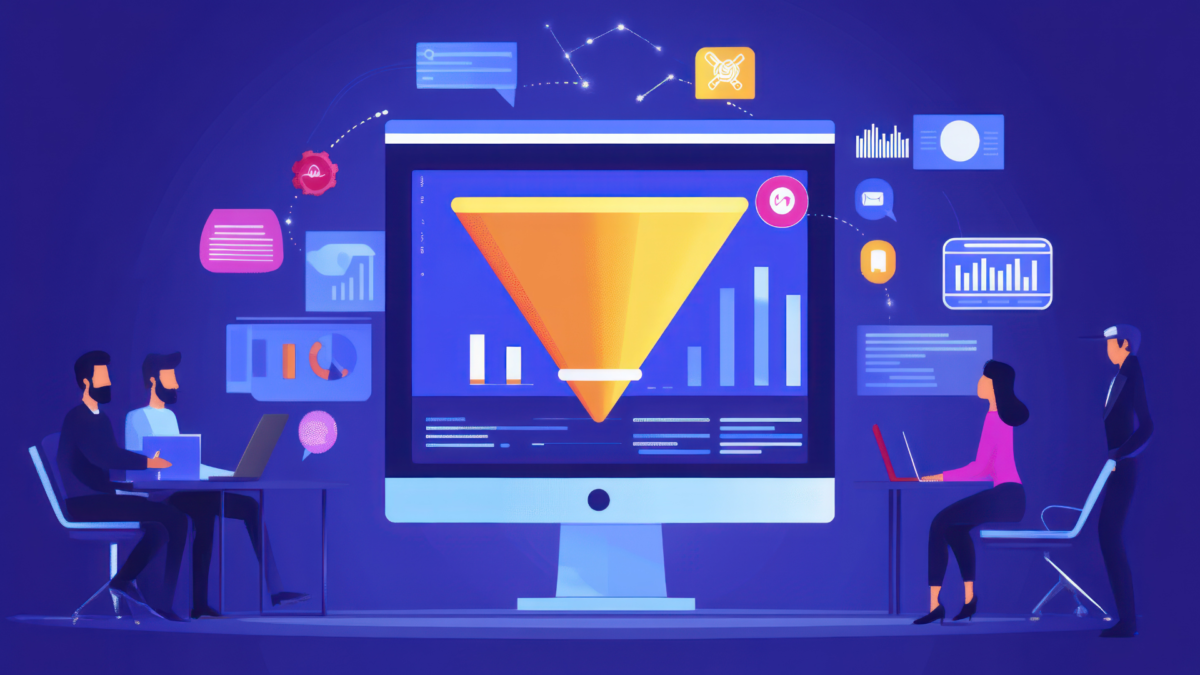
One of the top ways a modern website can work smartly for you is by generating leads. Your site should function as an intelligent sales funnel, scanning visitors and capturing leads at various entry points. Without lead-generation elements baked in, your site will leak revenue and lag behind in business growth even with high traffic.

Our Tips:

–        Map out user behavior to serve up lead forms at strategic user touchpoints, such as exit-intent popups.

–        Replace static lead forms with dynamic alternatives, like real-time chatbots.

–        Offer gated resources like calculators or eBooks, and use conversational UIs to engage actively with visitors.

3. Website Speed Impacts Performance

In today’s competitive digital economy, page load time isn’t merely a technical issue – it’s an imperative factor, directly impacting revenue. According to a 2024 report from Google, a site that takes over 3 seconds to load can lose more than 50% of its visitors. It is vital that your website speed is lightning-quick across multiple devices and networks.

Our Tips:

–        Leverage digital tools like GTmetrix and Google PageSpeed Insights to analyze your site’s speed.

–        Deploy image compression and lazy loading; minimize use of bloated scripts.

–        Use content delivery networks (CDNs) to keep load times to a minimum.

4. Mobile-First is the Way to Go

We can’t emphasize it enough – modern websites need to be optimized for mobile speed and usability if they don’t want to miss out on a considerable segment of their target audience. Currently, more than 63% of web traffic in the U.S. is via mobile devices (Statista, 2025). Intuitive, frictionless mobile interfaces equal increased conversions and better SEO rankings.

Our Tips:

–        Opt for responsive layouts and thumb-friendly interfaces.

–        Prioritize compressed content and vertical scrolling.

–        Test your site across multiple devices and screen sizes prior to launching.

5. Your Website Tells Your Brand Story

In today’s fiercely competitive market, what sets you apart is a compelling brand story. Your website can be a powerful tool to reach out to your consumers and create that emotional connect, which will build trust and resonate with your audience. Leading brands make it a point to not only inform, but inspire through compelling website narratives, which translates directly into buyer confidence and customer loyalty.  

Our Tips:

–        Don’t just focus on milestones and metrics – humanize your business through social storytelling and mission-driven messaging.

–        Share founder narratives, success stories, customer videos, and testimonials to make your brand relatable.

–        Establish your brand purpose by showcasing your company’s sustainability strategies and environmental activism.

In today’s online retail landscape, 75% of consumers judge a brand’s credibility based on web design alone (Stanford Web Credibility Research). In order to entice, convince, and retain, your website needs to operate as your digital storefront, sales assistant, and customer representative, all rolled into one.

At DigiDrub, we help you craft high-performance websites that are built to connect and convert. Book a consultation with us and access our full-spectrum digital solutions to transform your website into a powerful marketing engine.

Categories
Uncategorized

The Vinci Studio: A Creative & Marketing Studio for the Modern Enterprise 

With the online explosion of e-commerce, social media, podcasting, and influencer culture, digital content has evolved exponentially. Brands need to leverage the latest tech tools, including AI, Machine Learning, deep learning algorithms, natural language processing (NLP) etc., to generate professional content that is not only relevant but also delivers results.

This is where The Vinci Studio comes in.

What is The Vinci Studio?

The Vinci Studio is an enterprise-grade content creation and marketing platform designed to cater to modern businesses of all categories and sizes. Our speciality is merging the power of AI with human creativity to deliver high-quality designs, articles, videos, and marketing solutions —faster, smarter, and more cost-effective.

Unlike traditional agencies, we don’t just design – we empower brands to scale their storytelling and drive real growth through a comprehensive suite of creative and strategic services.

What We Do at The Vinci Studio

At The Vinci Studio, we offer an extensive portfolio of diverse solutions tailored to align with the unique requirements of modern businesses. Our services include:

  • Logo Creation & Brand Identity: Professional, scalable logos and integrated design kits that equip your brand with an impactful and cohesive visual presence.
  • Social Media Creatives: Static posts, animated reels, and ad creatives to enhance engagement across all relevant platforms.
  • Brochures & PDFs: Corporate-ready designs assets that convey information with clarity, impact, and accuracy.
  • Videos & Animations: Premium-quality video production services that drive marketing initiatives, strengthen brand awareness, and consolidate compelling storytelling.
  • CMO-as-a-Service: Strategic marketing guidance designed to help enterprises plan, manage, and execute campaigns with leadership-level precision.

Whether you’re an emerging startup developing your brand identity from the ground up or an established business looking to amplify large-scale campaigns, The Vinci Studio provides an end-to-end partnership for creative growth.

What Makes Us Different?

  • AI + Human Collaboration
    Our approach integrates the speed and accuracy of AI-driven tools with the creativity and empathy of human expertise. We deliver timely content that is relevant while deeply resonating with your audience.
  •  Enterprise-Grade Quality
    Our services are crafted to support the dynamic requirements of rapidly growing businesses, with the capacity to handle high volume, maintain consistency, and drive lasting impact. 
  • Scalable & Cost-Effective
    Our scalable content solutions enable enterprises to attain cost efficiency while preserving the quality and integrity of output. 
  • End-to-End Solutions
    From initial ideation to final implementation, we handle the full spectrum of your creative and marketing needs within a single, centralized framework.

Why Choose The Vinci Studio?

In today’s competitive landscape, strong brands aren’t built on just aesthetic designs – they need performance-driven content strategically crafted to fuel business growth. Partnering with The Vinci Studio ensures:

  • Accelerated turnaround times.
  • Consistent branding across channels.
  • Data-driven, creative solutions.
  • A long-term partner dedicated to advancing your sustained success.

The Vinci Studio is more than just another creative agency. We operate as a next-generation content and marketing studio, uniting creative vision with advanced technology and empowering brands to thrive in the digital-first age.

If your company is seeking result-oriented design, content, and marketing services crafted to deliver tangible business outcomes, The Vinci Studio is here to support you.

Visit our website to explore our services and begin shaping your brand with us today.

Categories
Uncategorized

8 SEO TACTICS TO DRIVE ORGANIC SALES ON SHOPIFY

Today’s ecommerce landscape is fiercely competitive, and it’s essential to leverage the latest tech tools and services to ensure your business is leading the pack. Refining your SEO strategy for Shopify is an effective way to attract, convert, and retain customers without relying on paid ads. Whether you’re newly launching your online brand or are scaling a successful one, our top 8 data-driven SEO tactics can help you rank high in search engines and drive organic sales through your Shopify store.

1. Create SEO-Optimized Meta Titles and Descriptions

Your product titles and meta descriptions are effectively your digital storefront window, and influence your click-through-rates from organic searches. Product titles should include primary keywords as well as brand identifiers. Create distinctive, compelling meta descriptions that convey the unique value of your product, enabling your listing to stand out in search results.

2. Employ Blog Content to Target Informational Search

Blogging is a powerful tool when it comes to targeting informational search intent. A well-written blog doesn’t just drive traffic to your store – it positions you as an authority and adds credibility to your brand. Leverage tools like Google Keyword Planner to determine top queries that online shoppers are searching for and build blogs around them, including long-tail keywords and relevant product links.

3. Leverage Schema Markup

Add structured data or schema to help search engines better understand your product and display it more effectively on search pages. Search Engine Journal reveals that pages with structured data report a 20–30% higher CTR on average. Use Shopify apps like Smart SEO or JSON-LD for SEO to automate schema implementation for products, prices, reviews, and FAQs on your store.

4. Maintain Lucid Site Architecture

A critical part of technical SEO is having a clean, logical site structure with properly optimized categories and sub-categories. Users should be able to reach products in ideally three clicks or fewer from your homepage. This leads to improved indexing and a better user experience, which are key for SEO.

5. Optimize Images for SEO

Images contribute significantly to Shopify page load times and are important when it comes to Google Images rankings. Always use descriptive filenames for your images, including relevant keywords and consistent alt text for search indexing and accessibility. Shopify offers image optimization apps like TinyIMG and Crush.pics to help compress images (while maintaining quality) to enhance page speed.

6. Enhance Your Shopify Store Speed

A major factor in technical SEO is website speed, which directly influences conversions, bounce rates, and rankings. According to Google, a load time of under 2.5 seconds is optimal. Tools like Shopify Analyzer and Google PageSpeed Insights can help to zone in on slow-loading elements. Use lightweight Shopify themes, minimize auto-play videos and homepage sliders, and enable lazy loading for images.

7. Establish High-Quality Backlinks

When it comes to your Shopify store, backlinks from reputable sources spell credibility and trustworthiness to search engines. In fact, Backlinko confirms that the number of referring domains is one of the top three ranking factors in Google’s algorithm. Consider strategies like influencer partnerships, guest posting, blogger outreach, and getting your brand featured in relevant industry publications.

8. Optimize for Mobile-First Experiences

With over 65% of ecommerce transactions originating from mobile devices, ensuring the mobile responsiveness of your website is critical for both your SEO and for user experience. Providing a seamless mobile experience boosts rankings and conversions across all devices. Design mobile-friendly CTAs and menus, use responsive design for content, and leverage tools like Google’s Mobile-Friendly Test.

A refined and well-defined SEO strategy can work wonders when it comes to driving conversions and impacting long-term profitability. At DigiDrub, we offer SEO strategies tailored for Shopify businesses, from technical audits to content optimization and link-building strategies. By continually analyzing, optimizing, and adapting your SEO for Shopify, you can position your brand for sustained growth, sales, and success.