0%
Loading ...
Categories
Digital Marketing & Brand Growth

2026 Ready: Your Comprehensive Digital Marketing and Content Plan for the Year Ahead

As we are poised on the threshold of 2026, the world of digital marketing has rarely looked this exciting. With a range of impressive new tools to play with, digital marketing companies in USA have everything they need to streamline and refine their marketing and content strategies.

Let’s take a look at the top trends for digital marketing and content in 2026.

AI Moves from Experimentation Phase to Core Marketing Strategy

Be it content generation, customization, analytics, or optimization, artificial intelligence is no longer an experimental novelty in content marketing strategy – in 2026, it has become part of its core infrastructure.

Marketing teams are embedding AI into every aspect of the marketing workflow, and the trend continues to gain momentum this year. The emphasis is on governed, repeatable usage: human-in-the-loop workflows, brand-safe prompts, and AI tools embedded directly into CMS, CRM, and martech stacks rather than operating in silos. Human oversight ensures error-free, authentic deliverables that are aligned with brand and compliance parameters.

The Multimodal Evolution of Search

In 2026, search is not just limited to keywords and blue links – search engines are now AI-powered multimodal intelligence platforms handling text, voice, and image queries.

Audiences now search using conversational queries, visual search, voice queries, and in-app discoveries spanning varied platforms, including Google, TikTok, Bard, Reddit, and Bing. Marketers need to adopt semantic SEO by optimizing their content according to user intent and natural language patterns, not merely isolated keywords. The focus should be on topic clusters, structured data, and authoritative long-form content that will enable AI-assisted search systems to scan and summarize with ease.

Video Becomes the Primary Engagement Driver

The dominance of video continues in 2026, but in a more nuanced role with regard to intent and format.

Short-form video mainly supports discovery, brand loyalty, and social engagement, whereas long-form video, webinars, and live streams are the primary drivers for conversation, education, and community building. Video is being repurposed across platforms like LinkedIn and YouTube, with marketers optimizing for mobile viewing, silent auto-play, accessibility, and platform-native storytelling. This, coupled with the use of captions, structured chapters, and clear CTAs, enhances reach and efficient production workflows.

Content Strategy Focuses on Value Density over Volume

The time of high-volume, low-value content is past. This year, content is all about quality, impact, and relevance.

Top brands are investing in owner-generated research, thought leadership reports, expert-led assets, and proprietary data studies. The emphasis is now on content that is purposeful, authoritative, and tailored for use across channels. This kind of material is not only favoured by algorithms but also inspires trust and brand credibility in today’s discerning audiences who are increasingly shying away from generic AI-generated content.

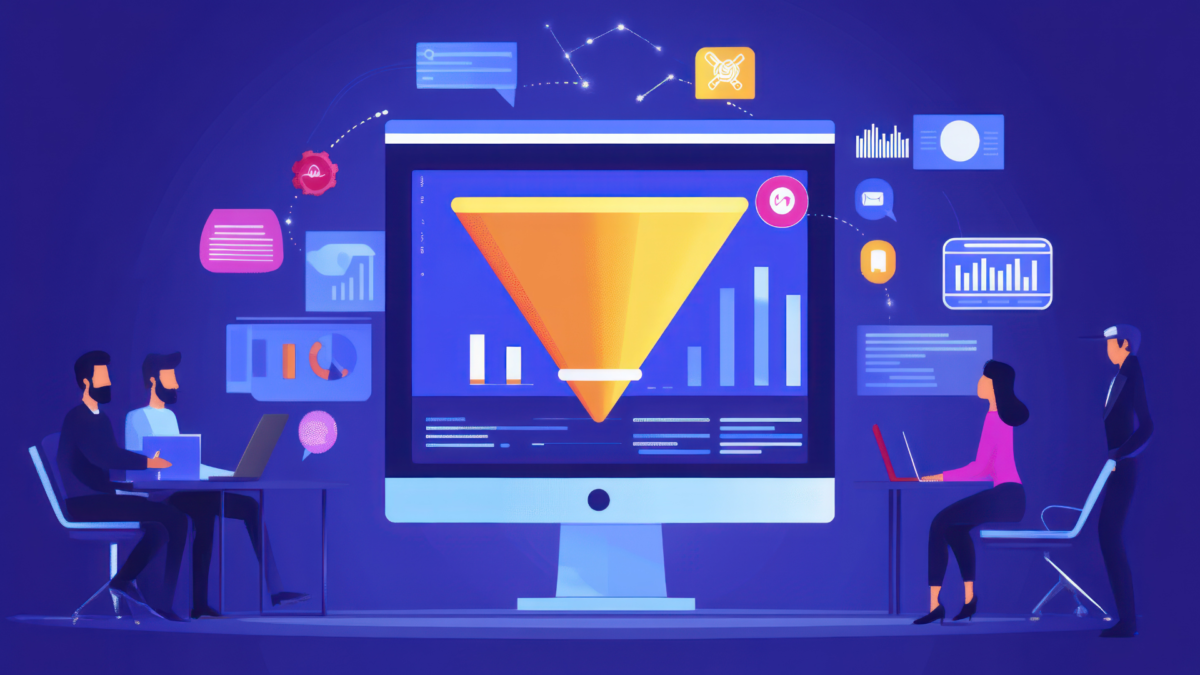
Social Platforms Transform into Full-Funnel Ecosystems

In 2026, we see the transition of social media into an end-to-end marketing channel. Platforms like Instagram, YouTube, TikTok, and LinkedIn function as complete ecosystems, allowing users to discover, appraise, and buy products without having to leave the platform.

To leverage this trend, brands must integrate features like social commerce, paid media, in-app lead generation, and community engagement into full funnel strategies. There needs to be a cohesive alignment of paid campaigns, organic content, and creator collaboration to ensure a seamless audience journey from awareness to conversion.

First-Party Data and Privacy-First Marketing Assume Prominence

Third-party cookies are now fully deprecated, and privacy regulations are expanding rapidly. In such a scenario, brands that invest in first-party data strategies will reap the most benefits.

In the privacy-first environment of 2026, sustainable digital marketing requires ethical personalization and transparent privacy protocols. Advertisers need to focus on consent-based data collection via email programs, loyalty platforms, gated content, and value exchanges – such as exclusive tools or insights – to maintain customer relationships and consolidate trust and brand allegiance.

Martech Consolidation and Integration

This year, we observe a movement towards leaner, smarter marketing technology stacks with greater interoperability and integration. The idea is to shift from owning more tools to extracting optimal value from the ones already in place.

The focus now is on fewer, more unified platforms that combine content operations, data management, automation, and analytics. AI-enhanced insights, centralized performance tracking, and real-time performance dashboards are gaining priority, helping to minimize complexity, streamline cross-channel coordination, and accelerate decision cycles.

Conclusion

A comprehensive, holistic approach will be essential for digital marketers seeking sustainable success in 2026. With quality, adaptability, and trust-driven engagement being the principal watchwords, brands that balance innovation with discipline will navigate this rapidly evolving digital landscape with flair. At DigiDrub, a full-stack digital marketing agency, we remain committed to supporting you in your digital marketing journey and wish you a successful year ahead.

Categories
Digital Marketing & Brand Growth

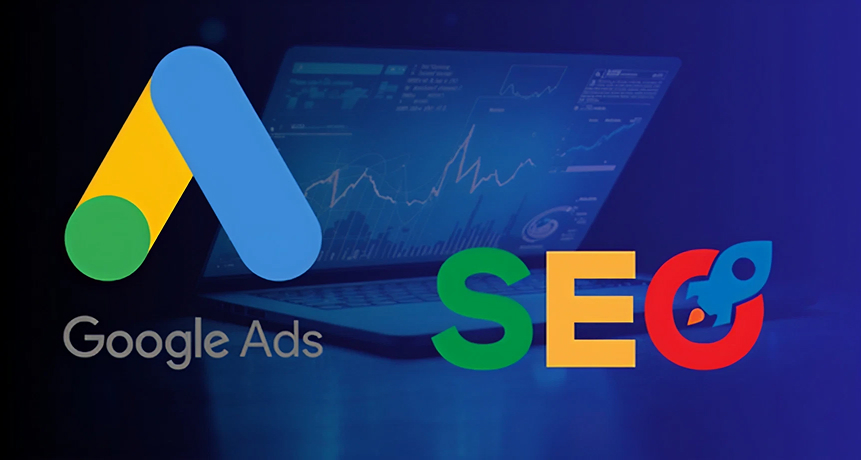
Should I Use Google Ads or SEO?

When it comes to consolidating your digital presence and achieving key marketing goals, a common query often arises: “Which is better: Google Ads or SEO?” The truth is that they both have unique but complementary roles. Each one offers distinctive benefits, and analyzing their strengths and weaknesses can help you understand which is best suited for your business.

Let’s take a look at the pros and cons of each approach.

Google Ads: Fast, Targeted, and Measurable

Google Ads empowers businesses to reach targeted audiences instantly through online advertising on search results, display networks, YouTube, and more. By leveraging keyword targeting, location settings, and audience segmentation, advertisers can drive qualified traffic and optimize conversions right from the outset. With convenient features like performance tracking and real-time analytics, Google Ads is an important tool for businesses to thrive in competitive markets.

Pros:

  • Immediate visibility: Google Ads helps to get your business to the top of search results instantly.
  • Precise targeting: You can target by keywords, location, age, interests, and other parameters.
  • Measurable ROI: Every click, impression, and conversion can be tracked.

Cons:

  • Costly over time: You need to pay per click, and competitive keywords are expensive.
  • Short-term gain: Ads stop showing once your budget runs out.

SEO: Long-Term Organic Growth

When it comes to long-term results for your website visibility and traffic, SEO is a great option. SEO strategically works on improving ranking and attracting more organic search traffic by improving user experience, site relevance, and content quality. By aligning with search engine algorithms and user intent, SEO can deliver measurable growth and a sustained online presence, positioning businesses for long-term digital success.

Pros:

  • Cost-effective in the long run: Once ranked, organic traffic is essentially free.
  • Builds trust: Users frequently trust organic results more than ads.
  • Sustainable: Strong SEO can drive traffic over an extended time period with consistent content and technical maintenance.

Cons:

  • Slower results: SEO can typically take up to 3–6 months for measurable gains.
  • Algorithm dependency: Changes in Google’s algorithm can impact rankings.
FeatureGoogle AdsSEO
Speed of ResultsImmediateTakes longer (3–6 months)
CostPay-per-click (ongoing cost)Time & resource-intensive
Trust FactorLower (ad label visible)Higher (organic credibility)
Longevity of ResultsShort-term (ends when budget stops)Long-term (sustained with effort)
Targeting CapabilitiesHighly customizableLimited (based on keywords & content)
MeasurabilityVery detailed metricsLess granular, but still trackable

When to Use Both: The Power Combo

In most cases, the best answer isn’t either/or, but both, as they are a winning combination together. When you have well-crafted search ads and strong organic content, your business performs better on the SERP, which leads to improved click-through rates and conversion rates.

Initially, it’s a good idea to work on your Google Ads to attain top of page results quickly. As long as your ads have a competitive bid and a high Quality Score, they can start delivering results immediately. Your SEO should typically be focused on long-term growth to create a balanced, high-performance strategy and enhance your business’s online presence in the long run.

Categories
Digital Marketing & Brand Growth

How small businesses can compete with big brands in the digital space

In today’s digital playing field, small businesses are uniquely poised to compete with bigger brands. With advantages like agility, niche markets, and the personal touch, smaller brands are adapting, moving fast, and forging deep, meaningful relationships with the customer.

Let’s look at the top 5 strategies for small businesses to compete with big brands in the digital space.

Leveraging Agility and Innovation

One advantage of small businesses is their ability to pivot more quickly in response to the latest industry and consumer trends. A small-scale online fashion retailer can launch an exclusive collection faster than a big-brand competitor. Additionally, they can experiment and keep up more easily with newer digital and AI innovations, offering their customers the latest in virtual try-ons, augmented reality shopping experiences, and AI-driven chatbots for personalized service.

Capitalizing on Niche Markets

In comparison to larger corporations, small businesses have the ability to embrace more niche markets. Whereas the bigger businesses aim for mass appeal, a more modest enterprise can tailor its services to address precise customer requirements. A report by Statista confirms that almost 60% of consumers prefer to shop from small businesses because of personalized service and unique products. These companies can build up a loyal customer base by identifying underserved market segments and catering to their specific needs.

Embracing Local SEO and Content Marketing

When it comes to local searches, a well-optimized online presence can help small businesses get better search result rankings than larger enterprises. Google’s algorithm is more favorable to businesses that provide relevant, location-based content. Small businesses can drive organic traffic to their websites by employing a robust local SEO strategy, including procuring local backlinks, optimizing their Google My Business listings, and publishing localized content.

Providing Customized Service

Another area where smaller companies can outshine bigger brands is customer service. Small businesses have the advantage here, with highly personalized product recommendations, quicker follow-ups and response times, and going the extra mile to meet client needs. They are better positioned to provide that personal touch and foster genuine relationships with customers, something big brands often struggle with.

Adopting Smart Advertising Strategies

Although major brands tend to dominate traditional advertising, smaller enterprises can hold their own, thanks to smart digital marketing techniques. The key is to optimize paid campaigns by targeting the right customers. Tools like Google Ads, LinkedIn Ads, and Facebook Ads Manager can help create highly targeted campaigns to reach specific locations and demographics. Through constant testing, analysis, and adjustment, a small business can run successful paid campaigns on a modest budget, allowing it to compete with the bigger players.

At the end of the day, it’s the personal connection with the customer that resonates most, and that’s where smaller companies have the advantage. Small businesses need to focus on what makes them different from their larger competitors and leverage those differences to not only survive, but thrive against the big brands in the digital landscape.