


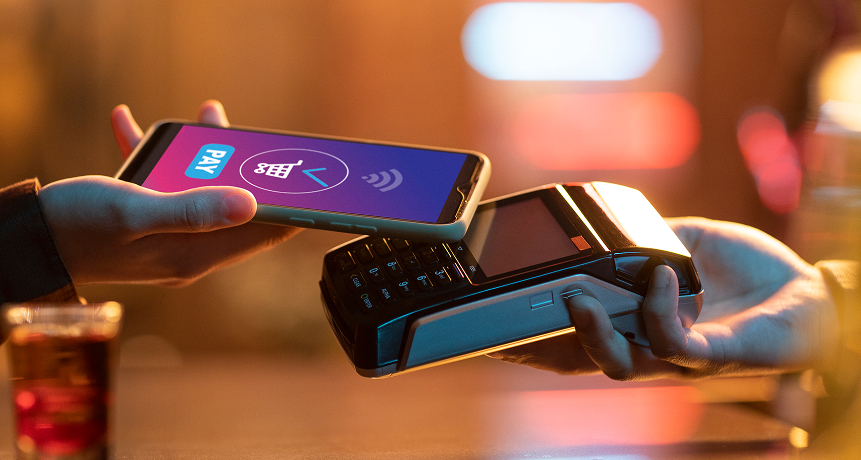
As technology continues to push the boundaries in retail, merchants need to leverage the latest digital tools to deliver a seamless shopping experience. Shopify POS (Point of Sale) is one such tool that’s designed to connect offline and online sales in a single integrated system. It provides a unified shopping experience across all touchpoints, making it the cornerstone for enterprise-grade omnichannel commerce.
Here are the top five ways that Shopify POS enables businesses to integrate physical and digital retail effectively.
Streamlined Customer Experience
Customers today want flexibility in their retail experience, be it buying something online and then trying it out in-store, or browsing physically and then making an online purchase. Shopify POS ensures that these experiences are convenient and smooth.
Various features such as local pickup, seamless returns, and curbside delivery allow businesses to meet these expectations without friction. This approach increases customer satisfaction and creates stronger brand loyalty.
Unified Inventory Management
Managing inventory across multiple sales channels is often the biggest challenge for retailers. Shopify POS syncs inventory in real time between online and physical stores and records it in one system. Whether a buyer picks up a product in-store or online, inventory statistics automatically update across all platforms.
For instance, a fashion boutique can instantly reflect a sale made at a pop-up event in their online inventory using Shopify POS. This allows businesses to prevent overselling and avoid out-of-stock incidents.
Organized Staff Management
Managing employees is considerably simplified using Shopify POS. Admins can track sales performance, set permissions, and create assignments directly through the system. Store staff and sales associates have access to customer information, product catalogs, and purchase history at their fingertips, facilitating more customized services.
For example, a sales associate at a physical store can pull up a buyer’s past online purchases to suggest complementary in-store products, improving the shopping experience and enhancing cross-sell opportunities.
Powerful Omnichannel Sales Tools
Shopify POS equips retailers with vital omnichannel sales tools to ensure brand consistency and customer satisfaction.
Businesses can issue gift cards redeemable online or offline, create customized discounts, offer loyalty programs, and track purchasing behavior across different channels. This data enables retailers to personalize their marketing strategies based on holistic customer profiles.
Scalability for Growing Brands
Whether it’s a single-store retailer or a big brand with multiple locations, Shopify POS scales with the size and growth of the enterprise. Its flexible hardware options, from mobile card readers to full countertop kits, enable businesses to set up new retail locations swiftly.
Brands like Brooklinen and Gymshark have leveraged Shopify POS to grow from online-only to popular brick-and-mortar operations, proving the power of a unified commerce platform.
How to Get Started with Shopify POS
- Sign up on Shopify.com to create a Shopify account
- Select a POS Plan – choose between Shopify POS Lite or Pro based on your needs
- Add items to set up your inventory
- Purchase POS hardware – card readers, barcode scanners, etc.
- Install the Shopify POS App on your tablet or smartphone
- Configure store settings – set payment options, staff permissions etc.
To succeed in the modern retail landscape, businesses need to focus on providing superlative customer experience while maintaining operational efficiency and brand consolidation. By creating a bridge between online and offline sales, Shopify POS offers retailers the ideal tool to thrive in a customer-centric world.