


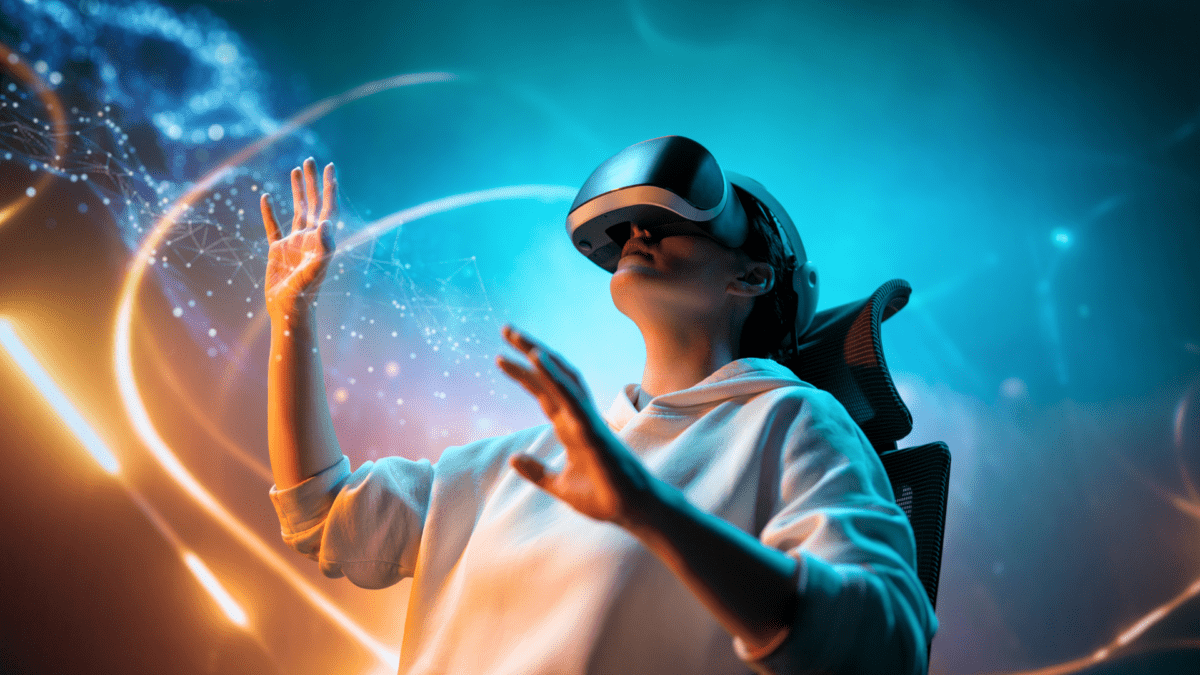
With the rise of AI, we are experiencing a significant shift in the digital landscape. Considering the future of web experiences today, there is no doubt that new technologies like Augmented Reality (AR) and Web3 are at the very forefront of this disruption. Enterprises are rethinking the way they engage with customers, harnessing the latest cutting-edge tools to transform the digital user experience.
Let’s take a closer look at how AI, AR, and other emerging technologies are reshaping the future of web experiences, and how businesses can use these strategically to drive engagement and revenue.
AI: The Power Behind Smarter Web Interactions
Once, AI was merely a dazzling new futuristic concept. Now it is rapidly becoming the foundation for transformative user experiences, revolutionizing the way users interact with brands, websites, and apps. With the power of AI, business can craft and deliver smarter experiences that are more relevant, engaging, and deeply intuitive.
Hyper-Personalization
- Studies have shown that AI-powered personalized experiences can boost sales by nearly 20%, primarily in ecommerce. AI analyzes user preferences and behavior in real time, and tailors content accordingly, including offers, recommendations, and even landing pages, ensuring users see just what they like.
Automated Customer Service
- Businesses employing AI chatbots have reduced bounce rates by 30-40%. Next-generation AI chatbots and virtual assistants are highly effective in handling common customer queries and answering FAQs 24/7, freeing up human agents to handle more complex issues. They can also help with conversions, navigations, and even cross-selling.
Enhanced SEO & Content
- Companies can utilize AI-powered search tools to refine meta-descriptions, suggest keyword placements, and generate optimized copy, decreasing workload and maximizing organic visibility.
Our Tip: Start by integrating AI personalization tools with CMS and customer data platforms. Tools like chatbots and product recommendation engines are easy to integrate and offer immediate value.
AR/VR: Offering Immersive Web Experiences
With the advent of Augmented Reality (AR) and Virtual Reality (VR), digital marketers are redefining the way users interact with websites. AR overlays digital information on real-world spaces, while VR transports users to complete virtual environments. These powerful technologies enable organizations to offer immersive digital experiences through the web or by means of connected devices.
Try-Before-You-Buy with AR
- Retailers are adopting AR to offer buyers the chance to try out a product, like clothes, accessories, or furniture, in their own space before buying it, via WebAR. They can visualize how a lamp looks in their study, or view a 3D model of a product from all angles.
Virtual Showrooms & Product Demos with VR
- A popular use of VR is to create virtual product launches, interactive tours, and immersive showrooms that enable buyers to explore products or experiences from the comfort of their own homes. These virtual experiences help to drive engagement and forge deep meaningful connections with the brand.
Education & Training
- VR is revolutionizing the field of education by creating immersive, 360-degree environments that bring abstract concepts to life. From hands-on virtual medical training to complex machinery simulations, VR is enhancing learning and retention, making it safer, faster, and far more effective than 2D content.
Our Tip: Start by offering lightweight WebAR experiences for product visualization, as these load fast, work across devices, and are the most impactful and accessible for a varied range of industries.
Web3: Shaping the Future of Web Experiences
Web3 comprises of a suite of decentralized technologies such as NFTs, blockchain, and decentralized identity, where users own and control their digital assets. With the internet’s steady shift towards decentralization, businesses are increasingly exploring Web3’s potential to craft more transparent, secure, and user-centric online experiences.
NFTs for Content Access
- With NFTs or Non-Fungible Tokens, users can own unique digital assets including collectibles or artwork. Businesses are now leveraging NFTs to offer clients exclusive, tradable experiences, content access, and community building.
Tokenized Loyalty & Rewards
- Web3 lets brands create decentralized rewards programs built on blockchain. Customers can earn digital assets or tokens that they can redeem for rewards, building a more transparent and engaging customer experience.
Decentralized Finance (DeFi)
- With Web3, financial services are now able to move away from centralized banks. This is significant for ecommerce websites, as implementing blockchain-based payment services gives users a more private and secure way to conduct transactions.
Our Tip: Pilot small blockchain‑enabled features to create loyalty programs or provide exclusive access to digital products.
What’s Next: Looking to the Future
Here’s a snapshot of what lies ahead for the web landscape.
- AI-First Browsing: Browsers and experimental platforms continue to embed AI at the core of digital interactions, reshaping the way users search and navigate.
- Spatial & Mixed Reality Devices: Smart AR glasses are fast gaining popularity, leading to a surge in immersive web experiences that seamlessly merge digital aspects with the real world.
- 3D & WebXR Adoption: Brands are creating 3D social spaces and web lounges, offering immersive WebXR environments where communities can interact virtually.
Conclusion
The next decade of the web will be defined not by stylishly designed webpages, but by innovative virtual experiences. For brands seeking to stay competitive in this space, the answer is to position themselves as innovators in their industries by not just keeping up with technology, but leveraging it strategically to deliver unique user experiences. At DigiDrub, we empower our customers with cutting-edge technology and modern solutions to help them drive growth and customer satisfaction. Call us today to set up a consultation.