

Overview
VRkure is a U.S. based medical technology company focused on pioneering advanced augmented reality (AR) and virtual reality (VR) solutions, revolutionizing healthcare education and clinical training.
Impact
DigiDrub’s expertise in implementing Shopify solutions enabled the customer’s licensees to enhance their branding and create a seamless online customer experience. As a result, sales improved predictably, with minimal management overhead.
- Sales Improvement: Some licensees reported sales increases ranging from 35% to 195% within 12 months, with DigiDrub credited for their zero-defect support.
- First Response Time: Reduced by ~70%
- Average Handle Time (AHT): Reduced by ~55%
- Customer Satisfaction: Achieved an average rating of 4.5/5 stars across 42 clients
- B2B Sales Growth: Increased from 35% to 195%
Services by DigiDrub
Advanced AR/VR Solution Development, VR Training Simulation, Storyboard Creation, 3D Asset Development, Metaverse Platform Integration, A/B Testing, Website Development, Logo Design, Digital Graphics
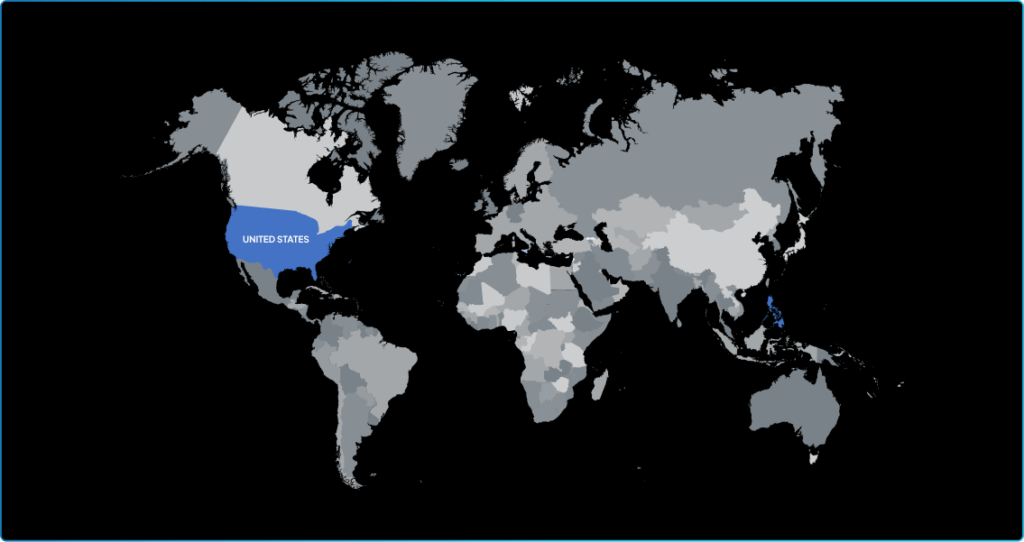
Markets Served by DigiDrub – updated March 2025
Challenges
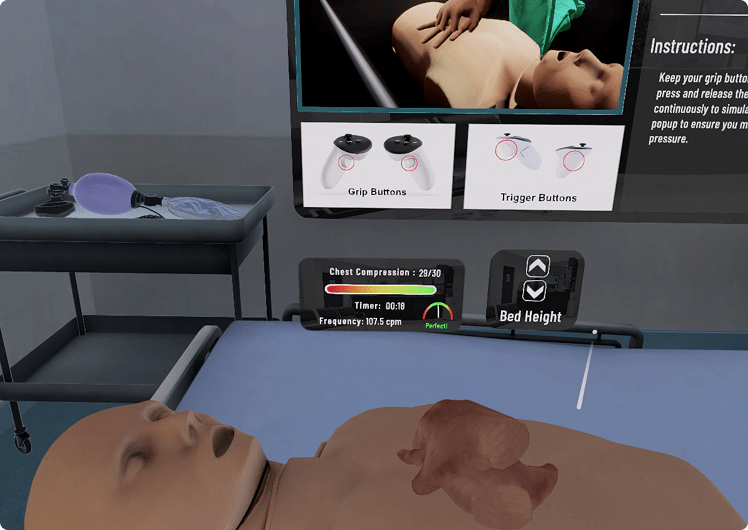
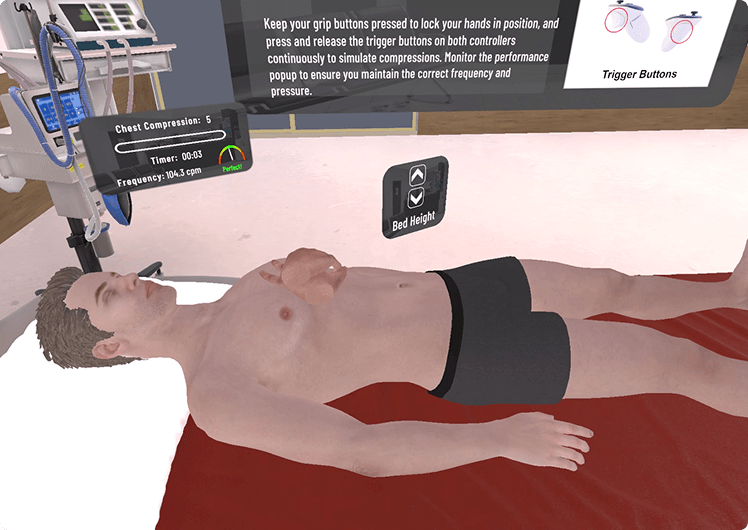
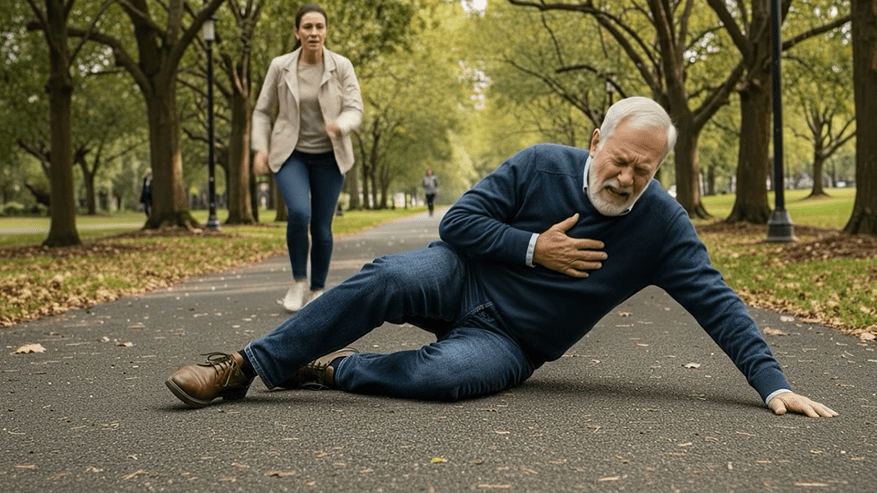
VRkure approached DigiDrub to design and develop a VR training module for Basic Life Support (BLS), a domain in which skill decay among certified practitioners has emerged as a critical concern. The objective was to create a solution that would allow healthcare professionals to practice life-saving techniques, including chest compressions, rescue breathing, and AED operation, with the frequency, accuracy, and realism that conventional training methods cannot consistently deliver.
Technical Challenges:
- Traditional BLS training depends on scheduled, in-person classroom sessions, which are difficult to scale and access on demand.
- Practitioner skills typically begin to decay within three months of certification, yet certifications remain valid for significantly longer, creating a competency gap during real emergencies.
- Opportunities for hands-on practice are limited in clinical settings, as repeated rehearsal cannot ethically be conducted on real patients.
Operational Challenges:
- Inconsistent training cadence and limited practice time contribute to imprecise technique and reduced confidence under pressure.
- Effective skill retention often relies on close expert supervision, which is resource-intensive and not always available.
- The absence of continuously accessible training resources accelerates skill decay between recertification cycles.
Global Expansion Insights
BLS certification is a mandatory requirement for medical practitioners across most healthcare systems worldwide, and reliable competency tracking is central to professional credibility. This positions a scalable, measurable VR-based BLS solution as relevant well beyond the U.S. market, with strong applicability across hospitals, nursing schools, and certification bodies internationally.
Solution: Building BLS XR
The project began with a structured discovery phase, where DigiDrub’s instructional designers worked closely with the subject matter expert (SME) to translate clinical knowledge into a learner-centric storyboard. Drawing from SME-provided protocols alongside the publicly available AHA and ILCOR guidelines, the team produced a detailed storyboard within two weeks that anchored every subsequent development decision in clinical accuracy.
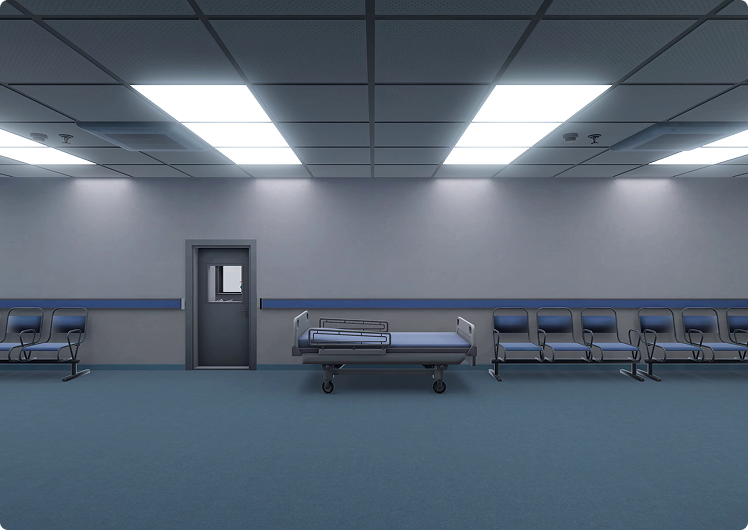
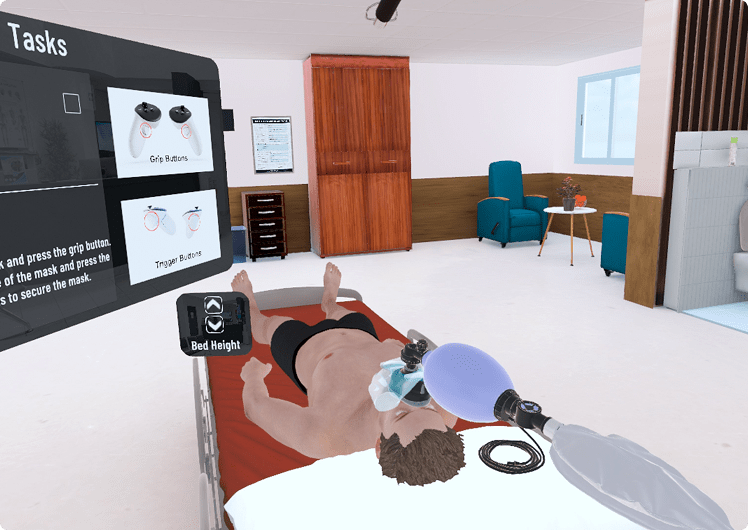
With the storyboard in place, the focus shifted to asset gathering and environment design. Over the course of one week, the team identified and finalized all the medical equipment, props, and environmental elements required to recreate a realistic clinical setting. Another week was spent assembling these assets into a cohesive virtual environment. The SME remained actively engaged throughout this stage, verifying that each piece of medical equipment, from the AED to the resuscitation tools, matched its real-world counterpart in dimension, behavior, and visual fidelity.
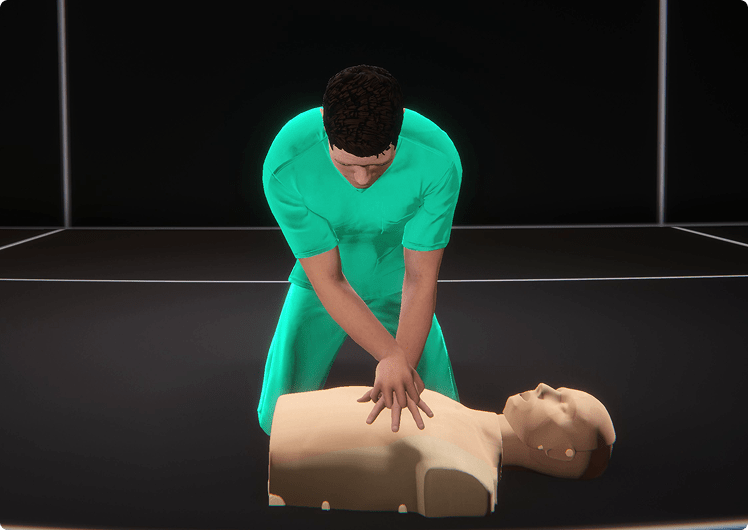
In parallel, DigiDrub’s UI team developed a custom theme for the application, taking cues from VRkure’s brand identity and harmonizing it with the visual language of the in-headset environment. Once the UI direction was approved, implementation began alongside the production of animations and audio. Each animation, particularly those depicting chest compressions, rescue breathing, AED placement, and other critical procedures, was reviewed and signed off by the SME before being integrated into the build. In total, 18 animated training videos were produced for the in-game learning sequences. The complete pipeline from 3D modeling to animation, video rendering, and audio production spanned roughly seven business weeks.
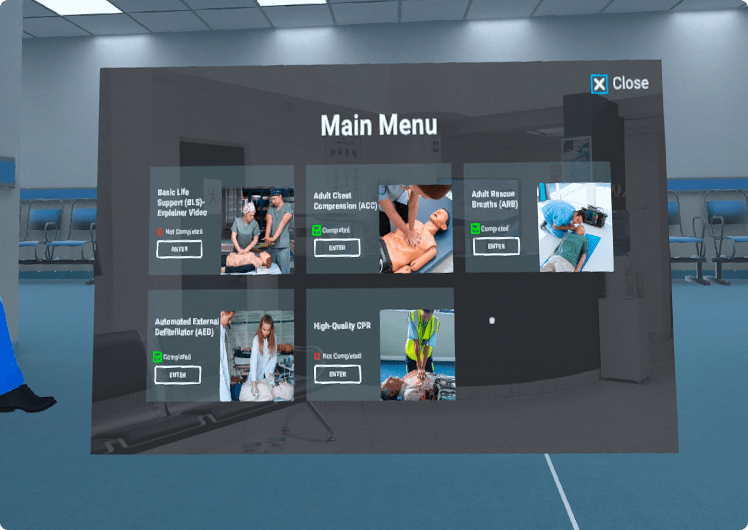
The next stage involved transforming the approved storyboard into a fully playable VR experience. The application was broken down into 10 submodules, developed in batches of two, with each batch taking approximately a week to complete and refine. Weekly SME review sessions in the headset enabled real-time feedback and rapid iteration, ensuring that clinical accuracy and instructional flow were preserved at every step. The first end-to-end draft of the application, with a complete user journey from onboarding to scenario completion, was ready within four weeks.
The build then entered Alpha testing. The SME and a group of internal testers spent extended sessions inside the application, surfacing glitches, performance issues, and interaction bugs. After resolution, a second round of testing focused specifically on clinical accuracy, validating that every procedure, metric, and feedback cue conformed to BLS protocol. The application then progressed to Beta testing, where it was demonstrated to a curated group of participants who provided constructive feedback from a learner’s perspective. Based on this input, several new features were introduced and a few existing ones were reworked to better serve the training objective.
From storyboarding through Beta-ready VR application, the build took approximately six to seven months. Following the core application’s completion, DigiDrub developed a Quality Management System (QMS) to objectively measure user competency and generate detailed performance analytics for each trainee. The QMS took two weeks to build, three days to host, and a further week of testing before going live.
With the QMS integrated, BLS XR was ready for market. The application was demonstrated to several hospitals and nursing schools in the Philippines, where it generated strong interest as a credible, repeatable, and accessible alternative to traditional BLS refresher training.
Additional Sales Velocity Enabled by Progressive Licensees
Beyond the BLS XR Application, the customer also leveraged DigiDrub’s web development services to build a comprehensive website, complete with logo design and other digital assets.